Three years ago, I finally made a decision that had been quietly waiting in the wings for far too long—I cut ties with someone I once called my “best friend.” We had known each other since we were 19. That kind of history is not easy to walk away from. It carries memories, laughter, shared milestones… and, sometimes, a reluctance to see what is right in front of you.
Over time, our lives began to move in very different directions. I relocated overseas, experienced new cultures, and travelled extensively. My outlook on life shifted in ways I hadn’t expected. Growth has a way of doing that—it stretches you, changes your lens, and gently (or sometimes not so gently) reveals what no longer fits.
Looking back, I realise I had outgrown that friendship long before I admitted it to myself. But I held on—tenaciously. I told myself stories to excuse her behaviour. I leaned on sentimentality as a reason to stay. It felt easier than letting go.
Then came newer friendships. And with them, a pattern I could no longer ignore.
People who were warm and kind to my face, yet careless—sometimes even hurtful—behind my back. It was a sobering realisation. Not just about them, but about my own boundaries… or lack of them.
With age (and, I hope, wisdom), I began to look more closely at the people I allowed into my life. I started asking myself a simple but necessary question: Is this relationship adding peace to my life, or taking it away?
After 65, every day feels like a bonus. And bonuses are not meant to be squandered.
So I began to make different choices.
Letting go of that “bestie” was only the beginning. I slowly distanced myself from others who carried hidden agendas, who took more than they gave, or who treated my time and kindness as something expendable.
One experience stands out.
An ex-classmate I had considered going into business with. Thankfully, I paused long enough to observe her patterns. She was habitually late—disrespectful of time in a way that spoke volumes. I chose not to proceed, and in hindsight, that decision saved me from deeper complications.
Still, I tried to be kind. She was a widow, and when her daughter chose to go on holiday instead of celebrating her birthday, I felt for her. I cooked, bought a cake, and made the effort to create a small moment of joy.
And yet, she kept me waiting for almost an hour.
It wasn’t just about the time. It was about what that time represented.
Something in me shifted, quietly but firmly.
I began to understand that compassion does not require self-neglect. That kindness should not come at the cost of dignity. That not every relationship deserves endless patience simply because we are capable of giving it.
These days, I am more careful with my trust. Not closed off—but more discerning. I no longer feel the need to hold on to people out of habit, history, or pity.
Peace, I’ve learned, is not something you stumble upon. It is something you protect.
And sometimes, protecting it means walking away—not with anger, but with clarity.
At this stage of my life, I have come to understand something with quiet certainty: time is far more precious than money. We can measure how much money we have, save it, earn it back. But time… time remains unknown. None of us truly knows how much of it we have left.
And so, I choose carefully now.
I choose peace over drama. Clarity over confusion. Distance over discomfort.
I remind myself, gently but firmly: “Not my monkeys, not my circus.” Not every problem is mine to solve, not every situation deserves my energy.
This does not make me cold or unfeeling. It simply means I value what little time I have, and I refuse to spend it in places that drain rather than nourish.
I know who I am. I know the kind of friend I have always been—loyal, sincere, and present.
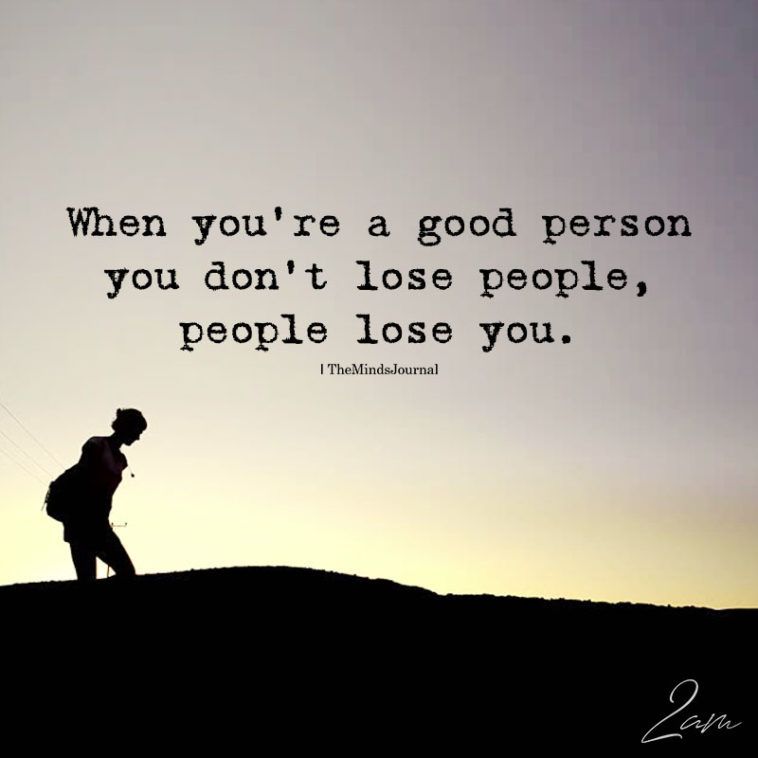
And so, I no longer see it as losing people.
Sometimes, people lose me.